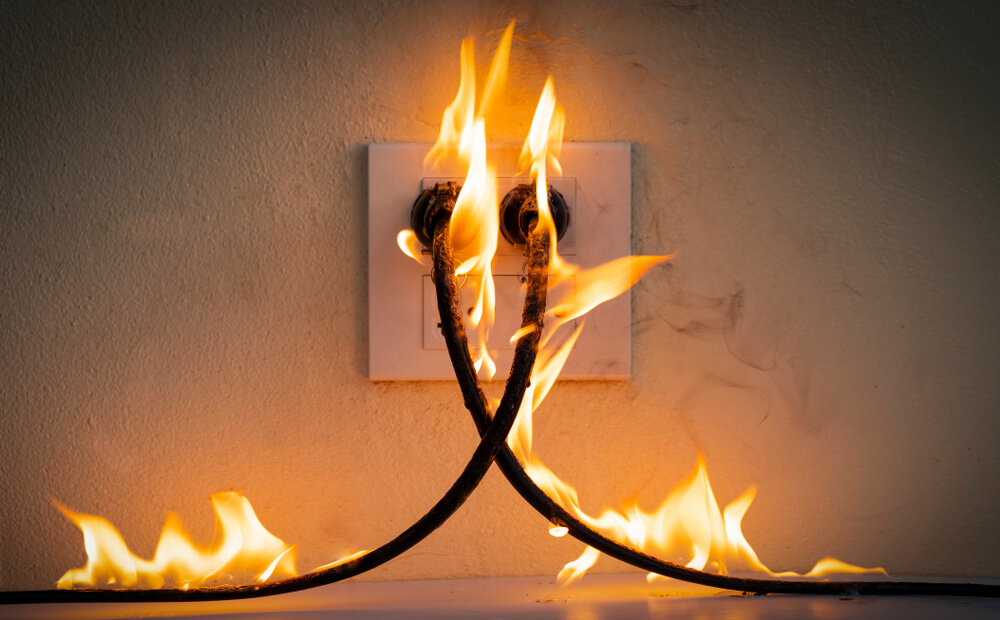

Whole Home Surge Protection: Protect Your Investment
What is a Power Surge?
A power surge is a sudden increase in voltage that exceeds the standard 120 volts in your home's electrical system. Surges typically last only microseconds but can reach thousands of volts, causing immediate or cumulative damage to electronics and appliances.
Causes of Power Surges
Lightning Strikes
While dramatic, lightning represents only 20% of surge-related damage. A direct strike can introduce millions of volts into your electrical system. Even nearby strikes can induce surges through electromagnetic induction.
Power Grid Switching
When utility companies switch power sources or reroute electricity, brief voltage spikes occur. These happen daily and cause cumulative damage over time.
Large Appliances
When motors in refrigerators, air conditioners, or washing machines cycle on and off, they create small surges throughout your home's electrical system. These frequent micro-surges gradually degrade electronics.
Downed Power Lines
Fallen or damaged power lines can cause unpredictable voltage fluctuations and severe surges.
Faulty Wiring
Damaged, outdated, or improperly installed wiring creates resistance and heat, leading to voltage irregularities.
The True Cost of Power Surges
Immediate Damage
Severe surges can instantly destroy:
- Computers and laptops
- TVs and home theater systems
- Smart home devices and hubs
- Gaming consoles
- Network equipment (routers, modems)
- Appliance control boards
Cumulative Degradation
More insidious are the small surges that occur daily. These gradually damage electronic components, reducing lifespan and causing mysterious failures. Signs include:
- Devices failing prematurely
- Intermittent operation
- Strange behavior or glitches
- Shortened battery life
Financial Impact
Consider the replacement costs:
- High-end TV: $1,500-$3,000
- Computer system: $1,000-$2,500
- Smart refrigerator: $2,000-$4,000
- HVAC control board: $500-$1,500
- Home automation system: $1,000-$5,000
- Network equipment: $300-$800
A single severe surge can cause $5,000-$15,000 in damage!
Point-of-Use vs. Whole-Home Protection
Point-of-Use Surge Protectors
These familiar power strips plug into outlets:
Pros:
- Inexpensive ($15-$100)
- Portable and flexible
- Immediate availability
- Multiple outlet options
Cons:
- Protects only devices plugged into it
- Limited capacity (can be overwhelmed)
- Degrades over time without indication
- Doesn't protect hardwired appliances
- Creates clutter
Whole-Home Surge Protection
Installed at your electrical panel:
Pros:
- Protects entire home at the service entrance
- Handles larger surge currents
- Protects hardwired appliances (HVAC, water heater, etc.)
- Status indicators show protection level
- Clean, integrated solution
- Increases home value
Cons:
- Higher upfront cost ($300-$600 installed)
- Professional installation required
- Works best with point-of-use as secondary protection
Layered Protection Strategy
The most effective approach combines both types:
First Layer: Whole-Home Protection
Installed at the electrical panel, this captures large surges entering from outside, stopping 80-90% of surge energy before it enters your home circuits.
Second Layer: Point-of-Use Protection
High-quality surge protectors at valuable electronics provide additional protection against:
- Surges that bypass the primary protection
- Surges generated within the home
- Noise and voltage irregularities
Choosing Whole-Home Surge Protection
Key Specifications
Clamping Voltage:
The voltage level that triggers protection. Lower is better. Look for 400V or less (600V is common but less protective).
Joule Rating:
Energy absorption capacity. Higher is better. Whole-home units typically range from 20,000 to 140,000+ joules. Minimum recommended: 40,000 joules.
Response Time:
How quickly protection activates. Look for less than 1 nanosecond.
Maximum Surge Current:
The maximum current the device can handle. Look for 50,000+ amps (80,000-100,000 amps for lightning-prone areas).
UL Rating:
Look for UL 1449 Type 1 or Type 2 certification, ensuring the device meets safety standards.
Additional Features
- Status Indicators: LEDs showing protection is active
- Audible Alarms: Warnings when protection is compromised
- Diagnostic Capabilities: Advanced units offer detailed monitoring
- Connected Equipment Warranty: Some manufacturers offer insurance for connected devices
- Thermal Protection: Prevents overheating damage
Top Whole-Home Surge Protection Brands
Eaton
Commercial-grade protection with excellent specifications. Wide range of models for different applications. Superior build quality.
Siemens
Well-engineered products with good warranties. Easy installation. Reliable performance.
Square D (Schneider Electric)
Trusted brand with solid surge protection. Good value for the protection level provided.
Intermatic
Budget-friendly options with decent protection levels. Good for cost-conscious installations.
DITEK
Premium surge protection with advanced diagnostics. Excellent for tech-forward homes.
Installation Process
Whole-home surge protection installation involves:
- Assessment: Electrician evaluates your panel and electrical system
- Device Selection: Choosing appropriate protection level
- Panel Preparation: Ensuring adequate space and compatibility
- Installation: Mounting device and connecting to panel
- Testing: Verifying proper operation
- Documentation: Recording installation for warranty purposes
Installation typically takes 1-2 hours for a standard panel.
Installation Costs
Expect to invest:
- Surge protection device: $150-$400
- Professional installation: $150-$300
- Total: $300-$700
Premium units with advanced features: $800-$1,200 installed
Maintenance and Replacement
Monitoring Protection Status
Check status indicators monthly:
- Green light: Protection active
- Yellow/amber light: Degraded protection
- Red light or no light: Protection failed, replace immediately
Expected Lifespan
Surge protectors don't last forever. They sacrifice themselves protecting your equipment:
- In areas with frequent surges: 3-5 years
- Average conditions: 5-10 years
- Low surge areas: 10+ years
Always replace after a major lightning strike or severe storm.
Replacement Indicators
- Status indicator shows failure
- Device is more than 10 years old
- After nearby lightning strike
- Following multiple surge events
- Visible damage or burning smell
Insurance and Warranties
Homeowners Insurance
Some insurance companies offer discounts for whole-home surge protection. Check with your provider about:
- Premium discounts
- Enhanced coverage for electronic equipment
- Requirements for documentation
Manufacturer Warranties
Many surge protectors include connected equipment warranties (CEW) covering damage to connected devices. Typical coverage: $25,000-$100,000. Read the fine print carefully:
- Professional installation may be required
- Registration and documentation needed
- Certain exclusions apply
- Claims process can be complex
Special Considerations
Solar Panel Systems
Solar installations need specialized surge protection for both AC and DC sides of the system. Protect your significant investment in renewable energy.
Smart Homes
With dozens of connected devices, smart homes are especially vulnerable. Whole-home protection is essential, plus point-of-use protection for hubs and high-value devices.
Home Offices
Protect business equipment and data with layered surge protection. Consider UPS (Uninterruptible Power Supply) units for critical computers.
Rural/Lightning-Prone Areas
Invest in maximum protection levels. Consider additional phone, cable, and antenna line protection.
Data and Communication Line Protection
Surges enter homes through multiple paths:
- Electrical service (main concern)
- Phone lines
- Cable/satellite TV lines
- Ethernet connections
- Antenna connections
Comprehensive protection addresses all entry points. Many whole-home devices include coax and phone line protection.
ROI and Value Proposition
Whole-home surge protection pays for itself by:
- Preventing $5,000-$15,000+ in potential damage
- Extending lifespan of electronics and appliances
- Reducing "mysterious" device failures
- Providing peace of mind
- Potentially lowering insurance premiums
- Increasing home value
With installation costs of $300-$700, protection typically pays for itself after preventing just one major surge event.
Conclusion
In our electronics-dependent world, surge protection isn't optional—it's essential insurance for your modern home. Whole-home surge protection, combined with quality point-of-use devices for valuable electronics, provides comprehensive defense against the inevitable power surges that threaten your expensive equipment and appliances.
Ready to protect your home? Power Flow Electric installs top-quality whole-home surge protection systems. Contact us today for a free assessment and quote. Protect your investment before the next surge strikes!