
10 Warning Signs Your Home Needs Rewiring
Why Rewiring Matters
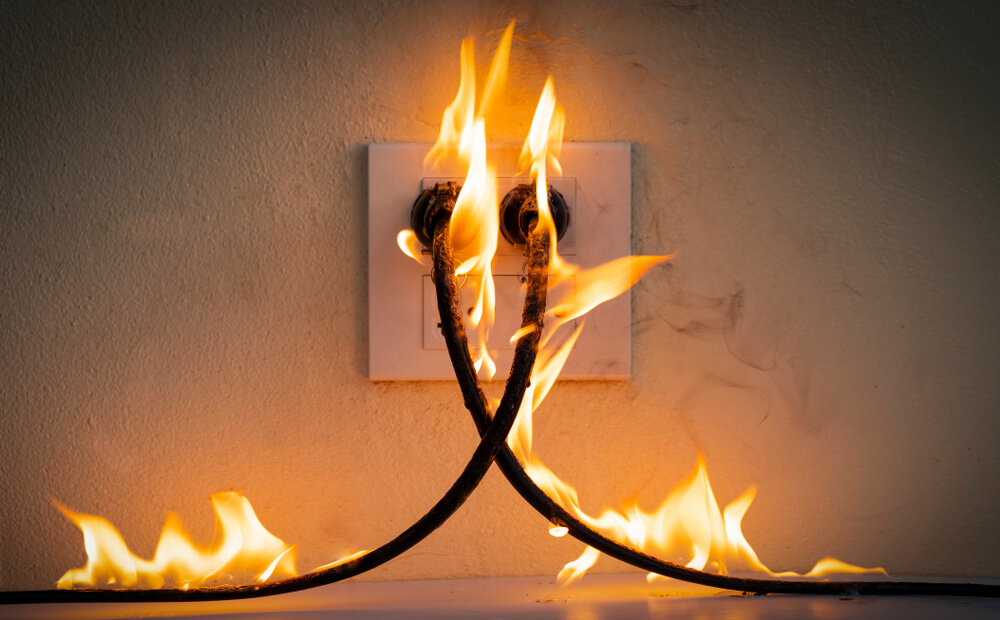
Your home's electrical system is the backbone of modern living, but older wiring can pose serious safety risks. Homes built before 1980 often have outdated electrical systems that weren't designed for today's electrical demands. Recognizing the warning signs early can prevent electrical fires, shocks, and costly damage.
1. Frequent Circuit Breaker Trips
If your circuit breakers trip regularly, it's a sign that your circuits are overloaded or there's a fault in the wiring. While occasional trips are normal, frequent interruptions indicate your electrical system can't handle your home's power needs.
2. Flickering or Dimming Lights
Lights that flicker when appliances turn on, or dim unexpectedly, suggest loose connections or inadequate wiring. This is especially concerning if it happens throughout your home rather than just one room.
3. Discolored or Warm Outlets and Switches
Brown or black discoloration around outlets and switches indicates arcing or overheating. If outlets or switch plates feel warm to the touch, turn off power to that circuit immediately and call an electrician.
4. Burning Smell or Unusual Odors
A burning plastic smell from outlets, switches, or your electrical panel is an emergency. This indicates overheating wires and poses an immediate fire risk. Shut off power and call an electrician right away.
5. Two-Prong Outlets Throughout Your Home
Two-prong outlets indicate ungrounded circuits, common in homes built before 1960. Modern appliances require grounded three-prong outlets for safety. Ungrounded outlets increase the risk of electrical shock and can't provide surge protection.
6. Aluminum Wiring
Homes built between 1965-1973 may have aluminum wiring, which is considered a fire hazard. Aluminum expands and contracts with temperature changes, potentially causing loose connections. If your home has aluminum wiring, consult a licensed electrician about replacement options.
7. Knob and Tube Wiring
This outdated wiring system (common in homes built before 1950) consists of ceramic knobs and tubes. It lacks grounding, has insufficient capacity for modern loads, and is often brittle with age. Most insurance companies refuse coverage for homes with knob and tube wiring.
8. Overuse of Extension Cords
If you rely on extension cords and power strips because you don't have enough outlets, your home needs more circuits. Extension cords are temporary solutions, and permanent reliance on them indicates an inadequate electrical system.
9. Buzzing Sounds from Outlets or Switches
Electrical systems should operate silently. Buzzing, sizzling, or crackling sounds indicate loose connections, arcing, or failing components. These issues require immediate professional attention.
10. Your Home is Over 40 Years Old
If your home was built before 1980 and hasn't been rewired, it likely has outdated wiring that doesn't meet current electrical codes or safety standards. Even if you're not experiencing obvious problems, an electrical inspection is recommended.
The Rewiring Process
A complete home rewiring typically involves:
- Removing old, unsafe wiring
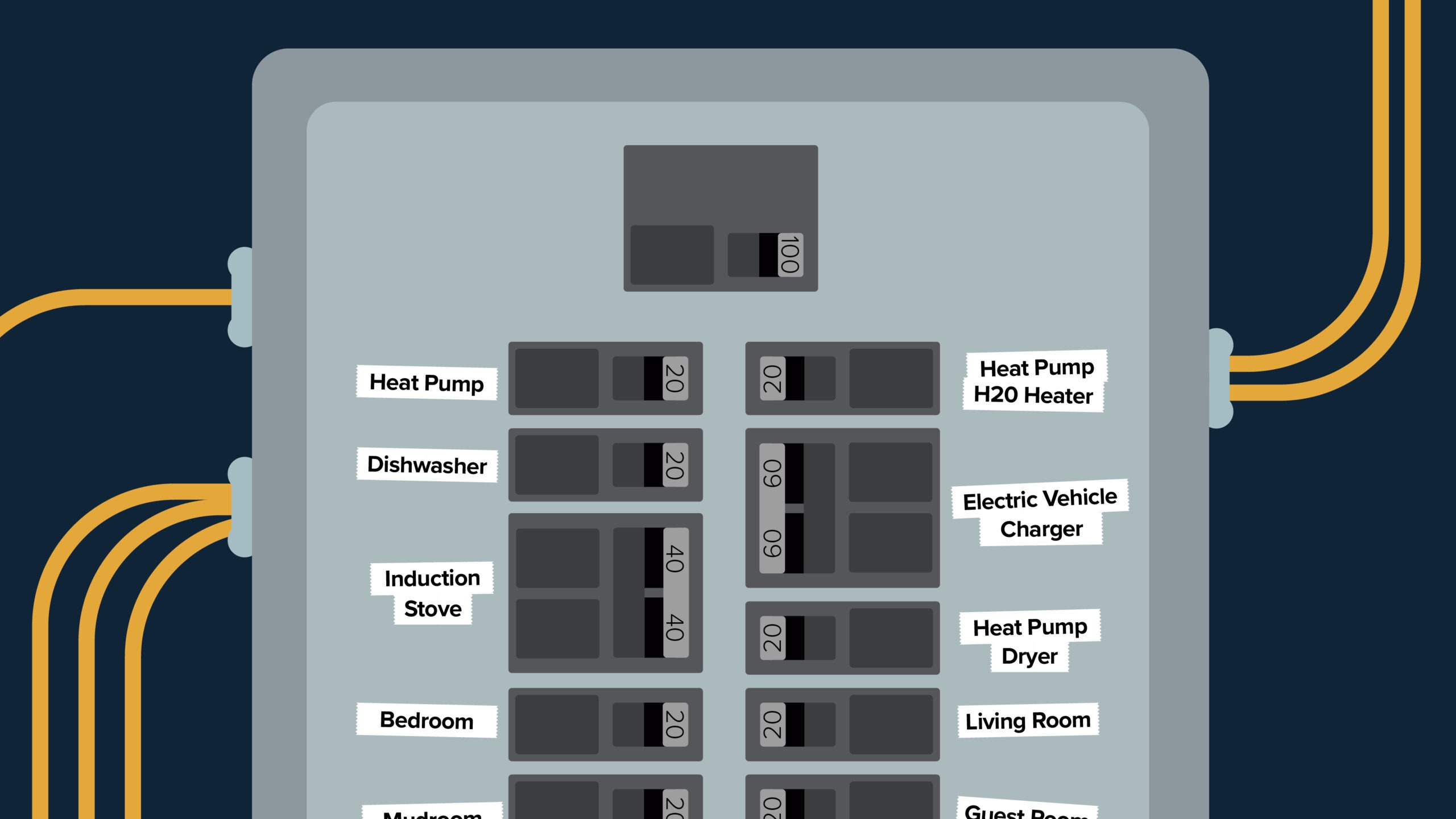
- Installing new electrical panel with adequate capacity
- Running new circuit wiring throughout the home
- Installing grounded outlets and GFCI/AFCI protection
- Updating to current electrical code standards
- Professional inspection and certification
Benefits of Rewiring
- Safety: Eliminates fire and shock hazards
- Capacity: Supports modern electrical demands
- Insurance: May reduce premiums or maintain coverage
- Home Value: Increases property value and appeal
- Efficiency: Reduces energy waste from poor connections
What to Expect
Rewiring a typical home takes 3-10 days depending on size and complexity. While it's disruptive, the investment in safety and peace of mind is invaluable. Most electricians work to minimize impact on your daily life.
Cost Considerations
Rewiring costs vary based on home size, accessibility, and local rates. While it's a significant investment, it's far less expensive than rebuilding after an electrical fire. Many homeowners finance rewiring projects through home equity loans or contractor financing options.
Conclusion
Don't ignore the warning signs of failing electrical systems. An outdated or damaged electrical system puts your family and property at risk every day. If you've noticed any of these signs, schedule an electrical inspection immediately.
Concerned about your home's wiring? Power Flow Electric offers comprehensive electrical inspections and professional rewiring services. Contact us today for a safety evaluation and free estimate.