
10 Essential Electrical Safety Checks Every Homeowner Should Do
Regular Electrical Safety Inspections
Your home's electrical system requires regular attention to maintain safety and prevent hazards. These simple checks can help you identify potential problems before they become dangerous.
1. Test GFCI Outlets Monthly
Ground Fault Circuit Interrupter outlets protect against electrical shock in wet areas. Press the TEST button - the outlet should stop working. Press RESET to restore power. If it doesn't trip or won't reset, replace it immediately.
2. Check for Warm Outlets or Switches
Outlets and switches should never feel warm or hot to the touch. Heat indicates loose connections, overloading, or deteriorating components. Turn off the circuit and call an electrician immediately if you notice warmth.
3. Look for Discolored or Scorched Outlets
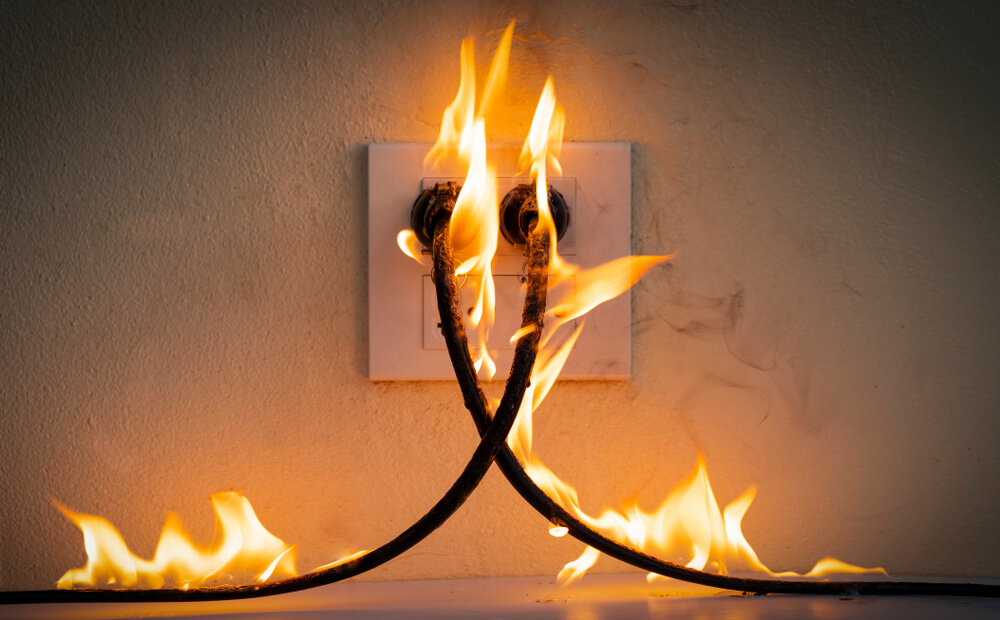
Brown or black marks around outlets indicate arcing or overheating. This is a serious fire hazard requiring immediate professional attention. Never ignore discoloration.
4. Listen for Buzzing or Crackling Sounds
Electrical components should operate silently. Buzzing, crackling, or sizzling sounds indicate loose connections, faulty wiring, or failing breakers. These require immediate investigation.
5. Check Extension Cord Usage
Extension cords are for temporary use only. If you're using them long-term, you need more outlets. Never daisy-chain extension cords or run them under rugs where heat can build up.
6. Inspect Visible Wiring
Check for frayed, cracked, or damaged insulation on cords and wires. Look for exposed copper, cuts, or pinching. Replace damaged cords immediately - never use electrical tape as a permanent fix.
7. Test Circuit Breakers
Twice yearly, test each breaker by switching it off and on. Breakers that won't trip, trip too easily, or feel loose need replacement. This simple test can prevent electrical fires.
8. Check for Overloaded Circuits
Signs include frequently tripping breakers, dimming lights when appliances start, or multiple devices on power strips. Redistribute loads or have an electrician add circuits.
9. Inspect Outdoor Electrical Equipment
Check outdoor outlets, light fixtures, and electrical equipment for water damage, rust, or weather damage. Ensure weatherproof covers are intact and outlets have proper GFCI protection.
10. Verify Smoke Detector Functionality
Test smoke detectors monthly and replace batteries annually. Hard-wired detectors still need battery backup checks. Replace entire units every 10 years.
Professional Inspection Schedule
Have a licensed electrician inspect your home every 3-5 years, or before buying/selling. Homes over 25 years old should be inspected more frequently.
When to Call a Professional
Don't delay calling an electrician if you notice any safety issues. Electrical problems never fix themselves and always get worse over time. Professional inspection costs far less than fire damage or injury.