Understanding Your Home's Electrical Panel: A Complete Guide
What is an Electrical Panel?
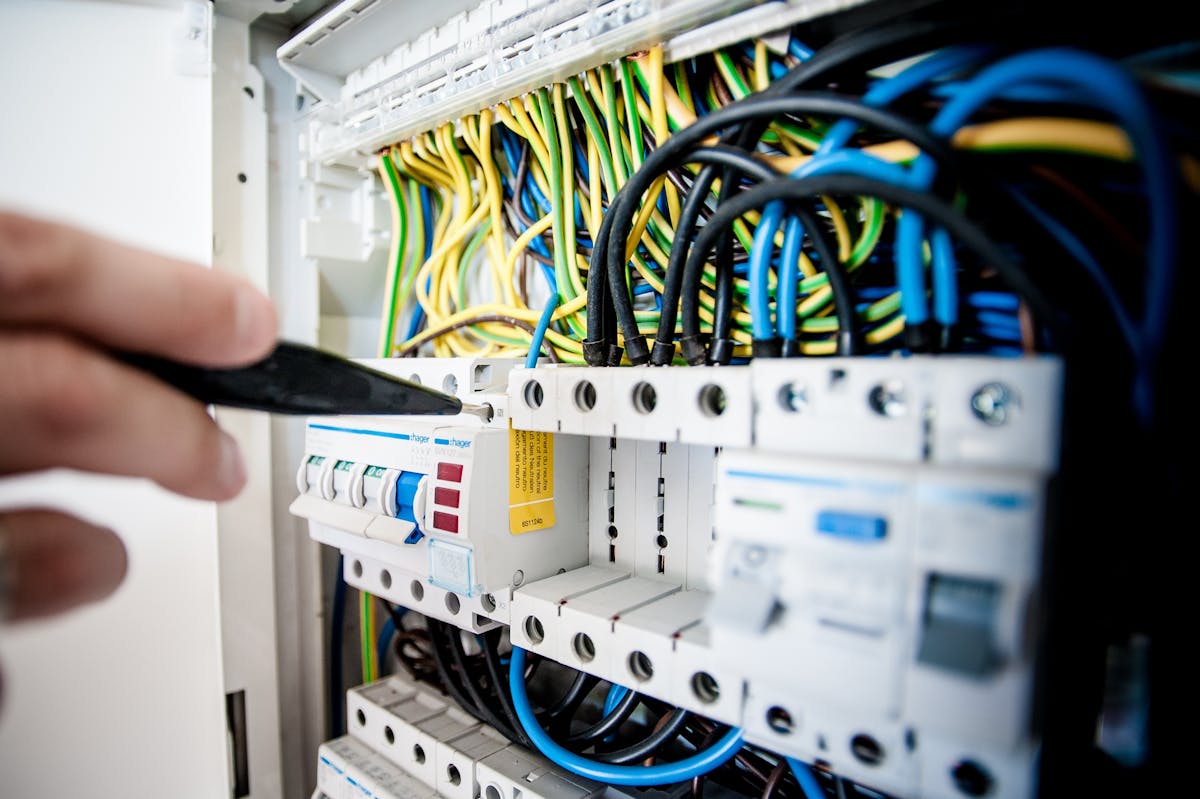
Your home's electrical panel, also called a breaker box or service panel, is the central distribution point for electricity entering your home. It receives power from the utility company and divides it into separate circuits that serve different areas and appliances throughout your home.
Components of an Electrical Panel
Main Breaker
The main breaker controls power to the entire panel and is rated for your home's total electrical capacity (typically 100, 150, or 200 amps). It's the emergency shut-off for your home's electrical system.
Branch Circuit Breakers
Individual breakers protect specific circuits in your home. They automatically trip (turn off) when they detect overload or short circuits, preventing wire overheating and fires.
Bus Bars
Metal bars that distribute electricity from the main breaker to branch circuits. Modern panels have separate neutral and ground bus bars.
Understanding your electrical panel is the first step to maintaining a safe home electrical system.
Common Panel Sizes
- 100 Amp Panels: Suitable for smaller homes without major electric appliances
- 150 Amp Panels: Good for medium-sized homes with moderate electrical needs
- 200 Amp Panels: Standard for modern homes with full electric appliances and HVAC
- 400 Amp Panels: Required for very large homes or properties with extensive electrical demands
When to Upgrade Your Panel
- Adding major appliances (electric vehicle charger, hot tub, pool equipment)
- Frequent breaker trips indicating insufficient capacity
- Home addition or major renovation requiring new circuits
- Outdated panel with fuses instead of breakers
- Panel is over 25 years old
Safety Considerations
NEVER work inside your electrical panel unless you're a licensed electrician. The main breaker area carries lethal voltage even when breakers are off. Panel work requires specialized knowledge, tools, and safety procedures.
If you notice any of these warning signs, contact a professional immediately:
- Burning smell near the panel
- Warm or hot breakers or panel surface
- Rust or corrosion on panel or breakers
- Buzzing or crackling sounds
- Frequent breaker trips
Regular inspection and maintenance of your electrical panel ensures safe, reliable power for your home. Schedule a professional evaluation every 3-5 years to catch potential problems early.