Complete Guide to EV Charger Installation at Home
Why Install a Home EV Charger?
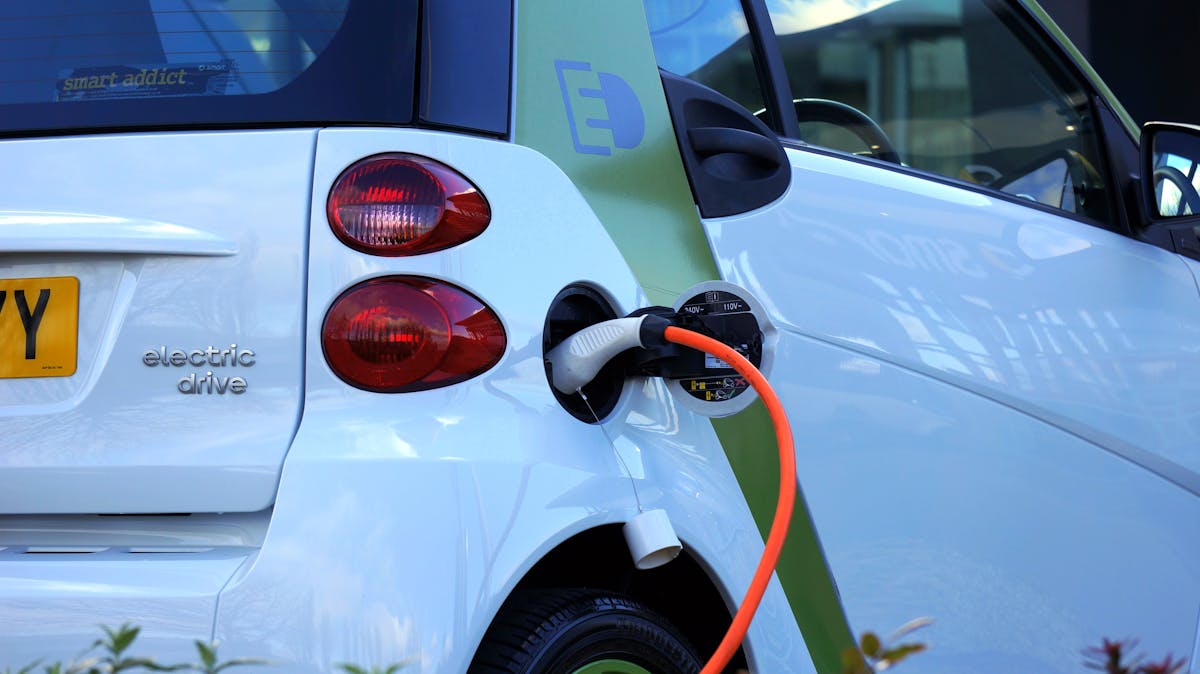
As electric vehicles become more popular, having a dedicated home charging station is becoming essential. While you can charge your EV using a standard outlet, a Level 2 home charger can fully charge your vehicle overnight, adding 25-30 miles of range per hour.
Understanding EV Charger Levels
Level 1 Charging
Uses a standard 120V household outlet and provides 3-5 miles of range per hour. While convenient, it's the slowest option and best suited for plug-in hybrids or occasional use.
Level 2 Charging
Requires a 240V circuit (similar to your dryer or oven) and provides 25-30 miles of range per hour. This is the recommended option for most homeowners and can fully charge most EVs in 4-8 hours.
Electrical Requirements
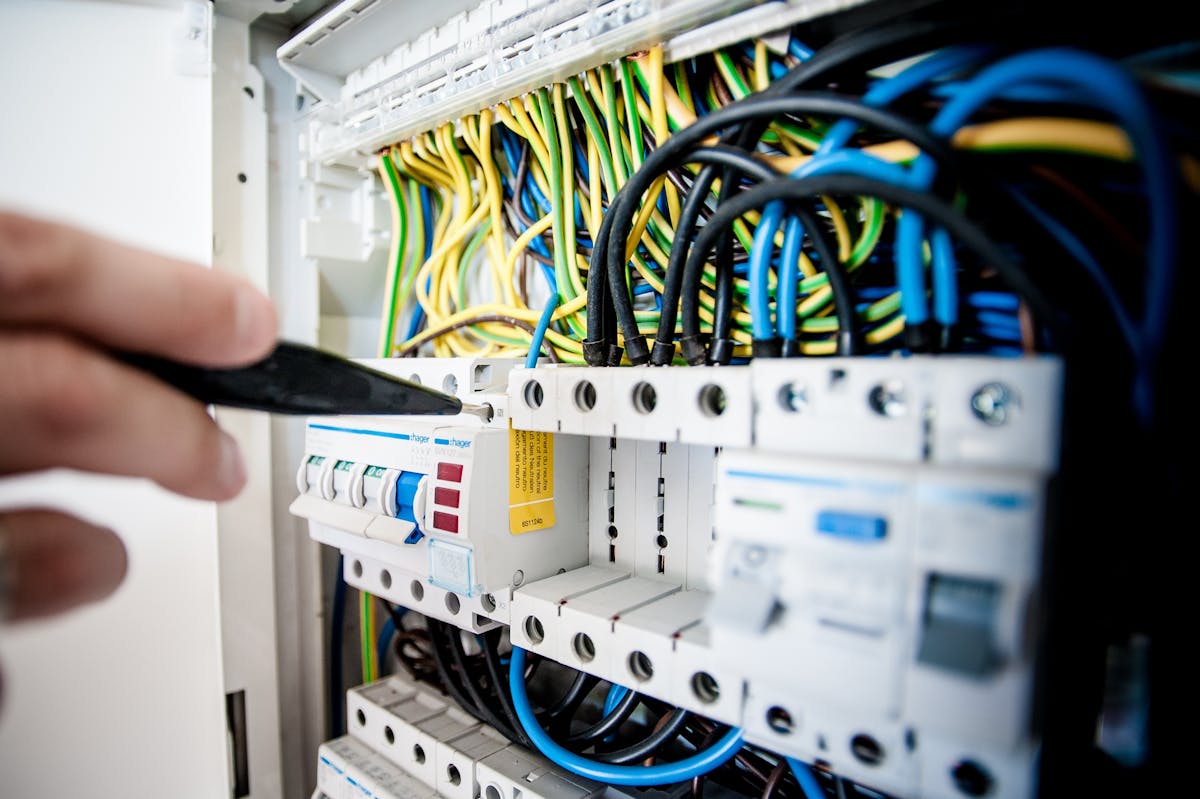
Most Level 2 chargers require a dedicated 240V circuit with 40-50 amp capacity. Your licensed electrician will need to:
- Assess your current electrical panel capacity
- Install a new dedicated circuit breaker
- Run appropriate gauge wiring to the charging location
- Install a NEMA 14-50 outlet or hardwire the charger
- Ensure proper grounding and GFCI protection
Choosing the Right Location
Consider these factors when selecting your charger location:
- Proximity to parking: The charger should be within cable reach of your vehicle's charge port
- Weather protection: While most chargers are weatherproof, a covered location extends lifespan
- Electrical panel access: Shorter wire runs reduce installation costs
- Future needs: Consider if you might have multiple EVs in the future
Popular EV Charger Brands
Some top-rated home EV chargers include:
- Tesla Wall Connector: Best for Tesla owners, sleek design, WiFi enabled
- ChargePoint Home Flex: Universal compatibility, adjustable amperage
- JuiceBox: Smart features, WiFi connectivity, works with all EVs
- Grizzl-E: Durable, weatherproof, excellent value
Installation Costs
Typical installation costs range from $800 to $2,500, depending on:
- Distance from electrical panel to charging location
- Need for panel upgrades (additional $1,500-$3,000)
- Labor rates in your area
- Complexity of the installation
Incentives and Rebates
Many utilities and local governments offer incentives for EV charger installation. The federal tax credit may cover up to 30% of installation costs (up to $1,000). Check with your utility provider for additional rebates.
Smart Features to Consider
Modern EV chargers offer convenient features:
- WiFi connectivity for remote monitoring
- Scheduling to charge during off-peak hours
- Energy usage tracking
- Integration with smart home systems
- Load balancing for multiple vehicles
Working with a Licensed Electrician
EV charger installation requires a licensed electrician who can:
- Obtain necessary permits
- Ensure code compliance
- Size wiring and breakers correctly
- Test and certify the installation
- Provide warranty coverage
Conclusion
Installing a home EV charger is an investment that adds convenience and value to your property. With the right planning and a qualified electrician, you can enjoy the benefits of fast, reliable home charging for years to come.
Ready to install your EV charger? Contact Power Flow Electric for a free consultation. We'll assess your electrical system, recommend the best charger for your needs, and provide professional installation with warranty coverage.